What Is Sanitary Ware? Types and Uses Explained
Sanitary ware includes bathroom fixtures such as washbasins, toilets, bidet sprayers, flushing cisterns and shower systems.
Each serves a different purpose. Choosing the right fixture starts with understanding its use and compatibility with your bathroom.
Main Types of Sanitary Ware
Type | Main Use | What to Check |
|---|---|---|
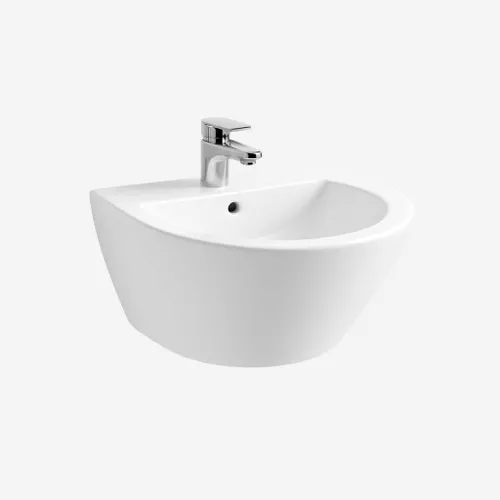
Washbasins | Handwashing and daily use | Dimensions, mounting and drainage |
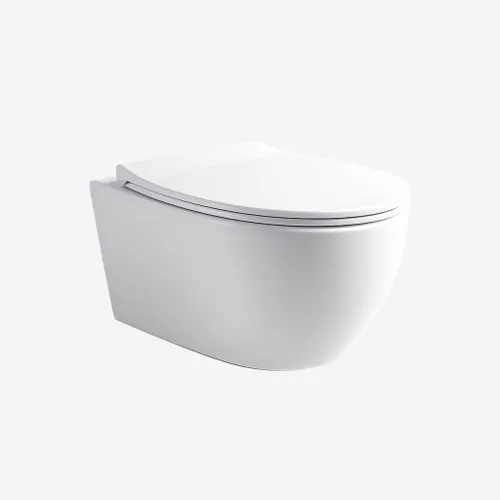
Toilets | Personal sanitation | Outlet type, dimensions and installation |
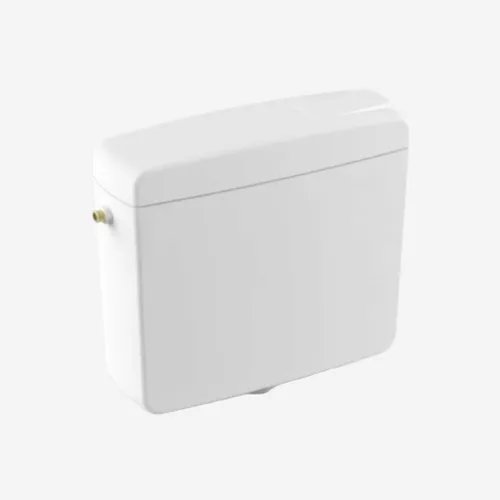
Toilet cisterns | Storing and releasing flushing water | Compatibility and installation type |
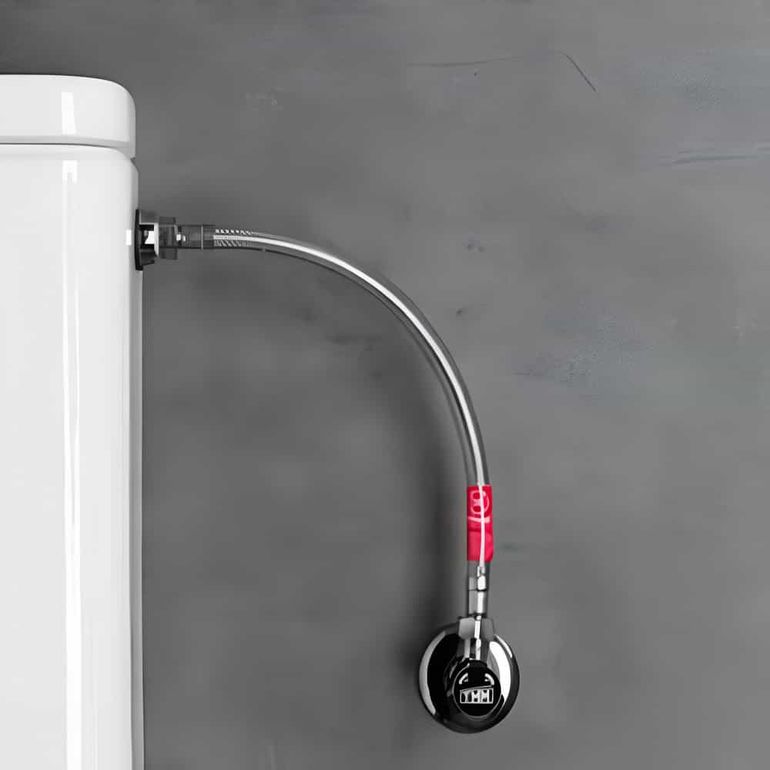
Bidet sprayers | Personal hygiene | Connections and hose length |
Floor drains | Draining water from floors | Size, waterproofing and drainage compatibility |
Shower systems | Bathing | Water outlets, connections and available space |
How to Choose the Right Bathroom Fixtures
1. Washbasins and Toilets
Before choosing a washbasin, check the available space, mounting method and drainage position.
For toilets, verify the outlet configuration, mounting dimensions and flushing system compatibility.
Browse Washbasins | Browse Toilets
2. Toilet Cisterns and Bidet Sprayers
Choose a toilet cistern based on toilet compatibility and installation space, whether the tank is exposed or concealed.
For bidet sprayers, verify the connection sizes and hose length. Decide whether you need a complete set or just a replacement component.
Browse Toilet Cisterns | Browse Bidet Sprayers
3. Floor Drains and Shower Systems
When selecting a floor drain, check its dimensions and compatibility with the drainage system. Odor prevention depends on the drain design and plumbing arrangement.
For shower systems, review the water connections, dimensions and component compatibility.
Browse Floor Drains | Browse Shower Systems
Is Sanitary Ware the Same as Plumbing Materials?
Not exactly. Sanitary ware generally refers to bathroom fixtures used directly by occupants.
Plumbing materials include valves, fittings and components used to install, connect and maintain water supply and drainage systems.
For these components, visit our Plumbing Materials Category.
Five Things to Check Before Buying
- Dimensions: Measure the available installation space.
- Compatibility: Verify supply, drainage and connecting components.
- Materials: Choose materials appropriate for everyday use and cleaning.
- Maintenance: Consider access to replaceable components.
- Warranty: Review the warranty terms for the specific product.
Final Thoughts
Start by identifying the fixture you need. Then check compatibility, dimensions, installation requirements and maintenance access before choosing a design.