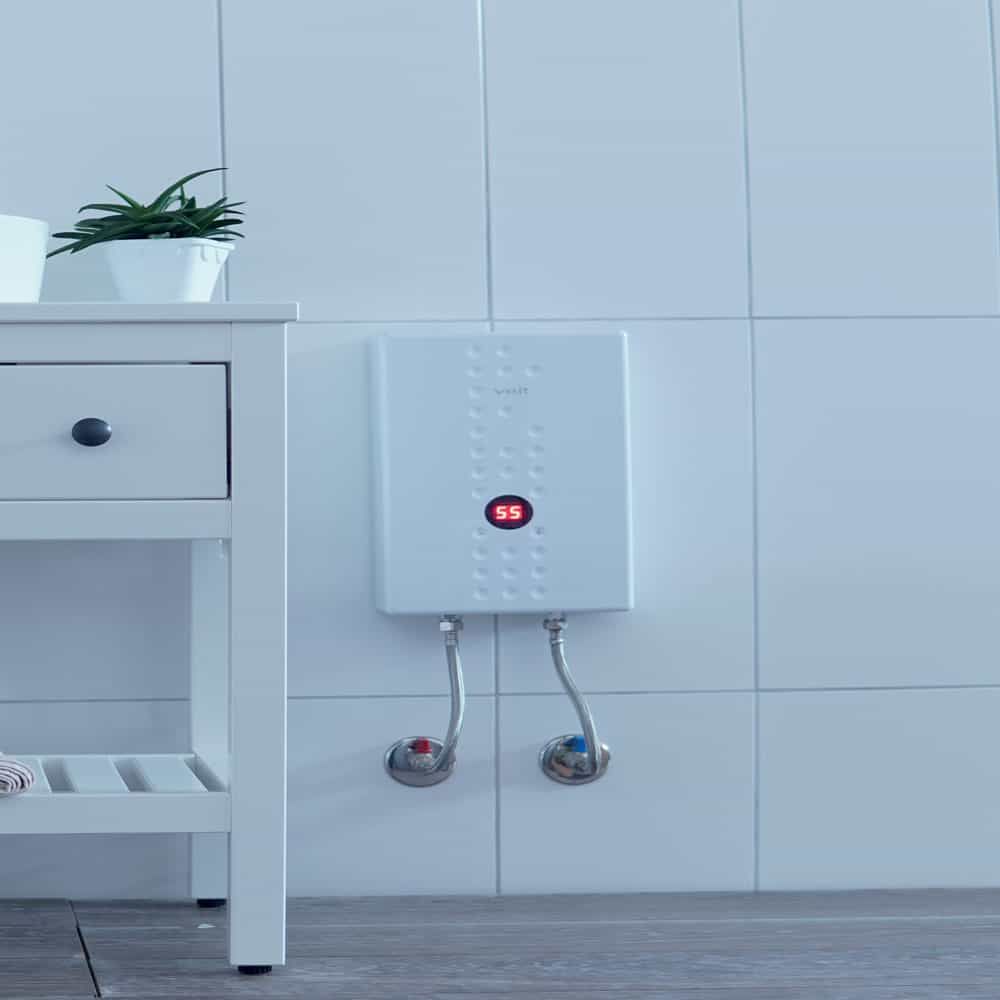
Is an Instant Water Heater Right for Your Home?
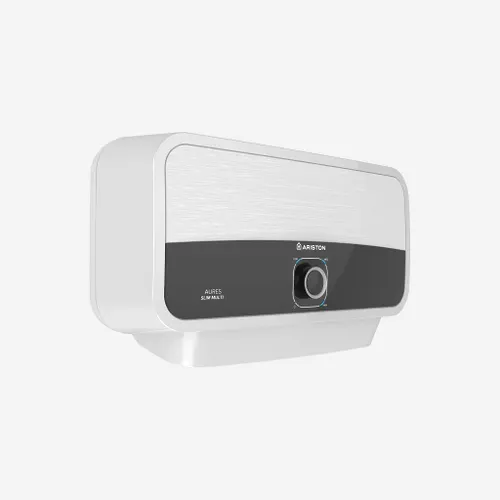
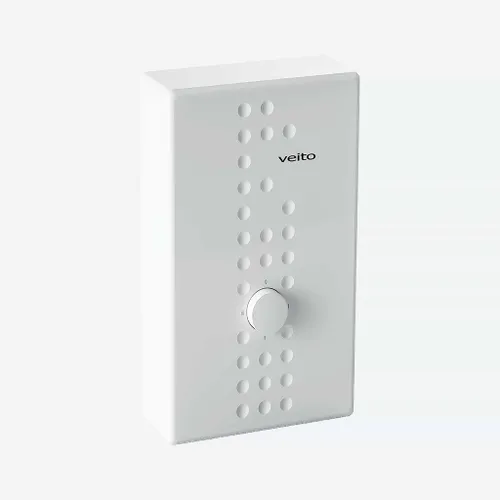
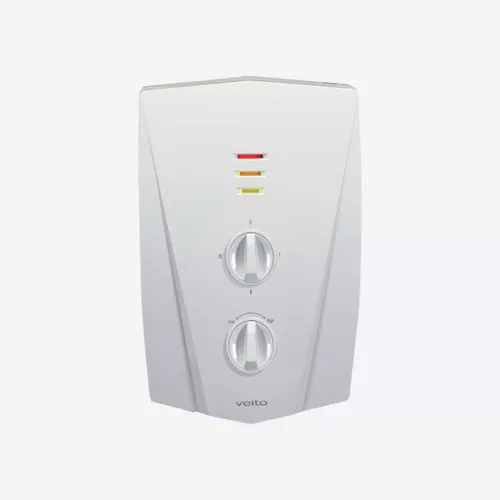
An instant water heater heats water as it flows through the unit, without storing hot water in a tank.
However, it is not automatically suitable for every home. Choosing the right model depends on electrical capacity, incoming water temperature, required flow rate, and installation conditions.
How Does an Instant Water Heater Work?
When hot water is requested and operating conditions are met, the heating element begins heating water as it passes through the unit.
The resulting temperature depends on heater power, incoming water temperature, and flow rate. Performance may vary between seasons.
Advantages and Limitations
Advantages | Limitations |
|---|---|
No hot-water storage tank required | May require high electrical power |
Compact design in many models | May require dedicated electrical infrastructure |
Heats water on demand | Performance depends on flow and inlet temperature |
Avoids standby heat losses from stored water | May not support several outlets simultaneously |
Does an instant water heater save electricity?
It may reduce the energy lost through storing hot water, but actual consumption depends on water usage, required temperature, heater efficiency, and operating conditions. A fixed saving percentage cannot be guaranteed.
How to Choose the Right Heater Capacity
Heater power is measured in watts (W) or kilowatts (kW).
Higher power can support greater water heating at a given flow rate, but it also increases the electrical requirements that must be checked.
Before buying, identify:
- The number of hot-water outlets you intend to use.
- The required flow rate and temperature rise.
- The available electrical supply and circuit capacity.
- The model's minimum operating flow and water-pressure requirements.
Important: Power rating alone does not determine how many outlets a heater can support. Always check flow-rate performance at the required temperature rise.
Browse Instant Water Heaters at Barr Al Aman
Electrical Installation and Safety
A qualified electrician must verify the electrical installation against the manufacturer's requirements, including voltage, circuit capacity, cable sizing, protective devices, residual-current protection, and earthing.
Water connections, operating pressure, and mounting location must also meet the manufacturer's instructions.
Never assume that one cable size or circuit-breaker rating is suitable for every instant water heater.
Instant Water Heater vs Storage Water Heater
An instant heater may be suitable when its heating performance meets your needs and the installation has adequate electrical capacity.
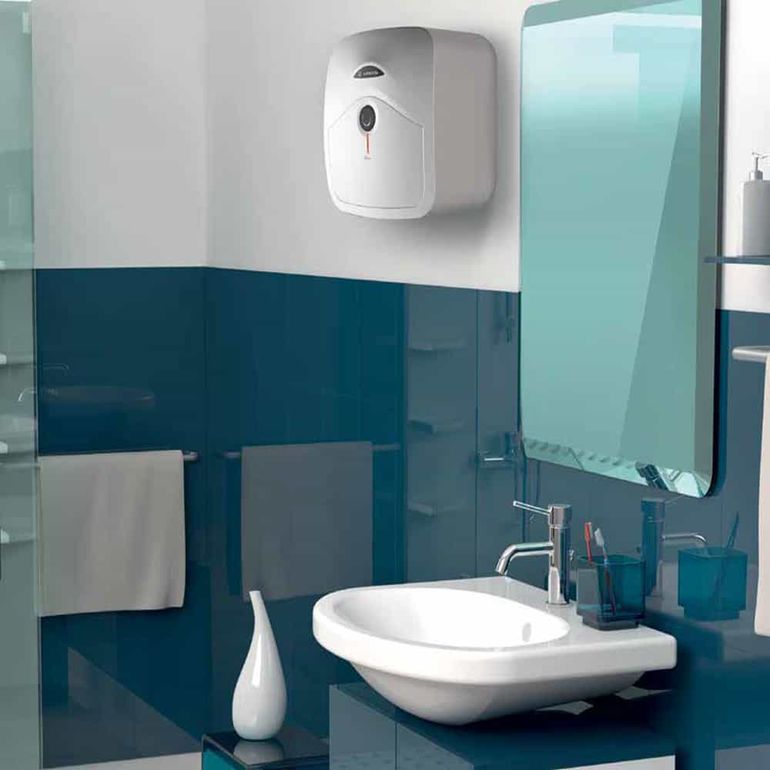
A storage heater may be preferable when stored hot water is needed or when an appropriately sized instant heater cannot be installed.
Frequently Asked Questions
Can one instant heater supply multiple showers or faucets?
It depends on heater capacity, required flow rate, and incoming water temperature. Check the manufacturer's specifications.
Does an instant heater need a dedicated electrical circuit?
It may require a dedicated circuit and suitable protective equipment. A qualified electrician should determine the installation requirements.
Is hot water available immediately?
Heating begins when operating conditions are met, but delivery time to the faucet also depends on pipe length and installation conditions.
Final Thoughts
An instant water heater can be a practical solution when its heating capacity matches your needs and the installation meets the manufacturer's electrical and plumbing requirements.
Before buying, check power, flow-rate performance, installation conditions, and product-specific warranty terms.